SAFETY & TECHNOLOGY
Built to perform. Engineered to protect.
SAFETY & TECHNOLOGY
Designed to Prevent Failures. Engineered to Protect Vessels, and Passengers
Marine battery system are mission-critical. Unlike road vehicles, failures at sea can impact lives, operations, and the environment. Our architecture is build to prevent failures, contain risk, and ensure continuous, safe vessel operation

INTELLIGENT ENERGY MANAGEMENT
Advanced VCU and BMS continuously monitor all critical parameters and optimizw energy flow for safe operation.

THERMAL & FIRE SAFETY
Thermal containment, active cooling, ventilation control, gas detection, and fire suppression systems prevent propagation and protect critical zones.

MARINE-GRADE VALIDATION
Cells, modules, and complete systems undergo extensive testing and certification as per marine standards for mechanical, electrical, and environmental safety.

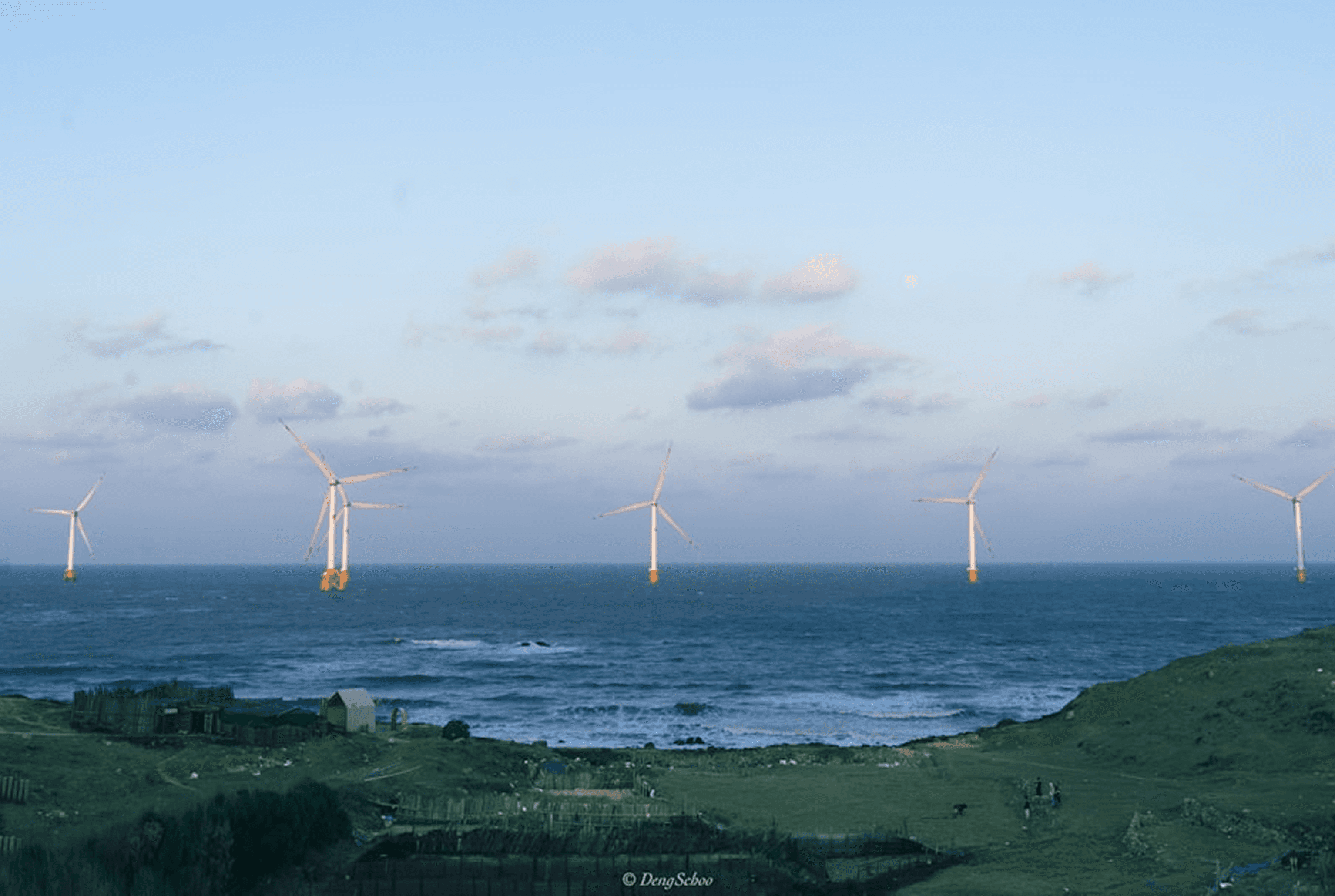
SAFETY ARCHITECTURE
Complete Vessel Safety Integration
Safe batteries. Safe systems. Safe voyages.
PERFORMANCE
Reliable energy for propulsion systems and all auxiliary loads with stable performance.
STABILITY
Designed for intact stability, overload, turning conditions, and single compartment damage scenarios.

MARINE-GRADE SYSTEMS
Built for Marine Safety.
Engineered for Real-World Operations.
Navalt battery systems are specifically engineered for boats and ships operating in demanding marine environments. Every layer of the architecture is designed to withstand salt exposure, vibration, humidity, thermal stress, and continuous-duty operation while maintaining safety, reliability, and classification readiness.

LFP Chemistry
Thermally stable lithium iron phosphate chemistry designed for enhanced marine safety, longer lifecycle, and high operational reliability.

Marine-Grade Enclosures
IP-rated battery enclosures engineered to resist salt mist, humidity, water ingress, corrosion, and harsh onboard operating conditions.

Thermal Isolation Architecture
Compartmentalized pack design with thermal containment and propagation-resistant architecture to enhance onboard safety.

Classification-Ready Engineering
Designed in alignment with marine inspection standards, safety requirements, and class-compliant integration workflows.
Vibration & Shock Protection
Structural reinforcement and marine mounting systems engineered to withstand continuous vibration, wave impact, and operational strees.
Intelligent Monitoring & Protection
Advanced VCU and BMS continuously monitor voltage, temperature, current, insulation, and system healt for safe vessel-wide operation.
Fire & Fault Management
Integrated ventilation, gas detection, thermal monitoring, and fail-safe protection login designed to prevent escalation and maintain control.
Quality. Tested. Proven.
Every system undergoes rigorous testing, validation, and quality checks to ensure dependable performance in real-world marine conditions
Aligned with global marine class societies


PROVEN ON WATER
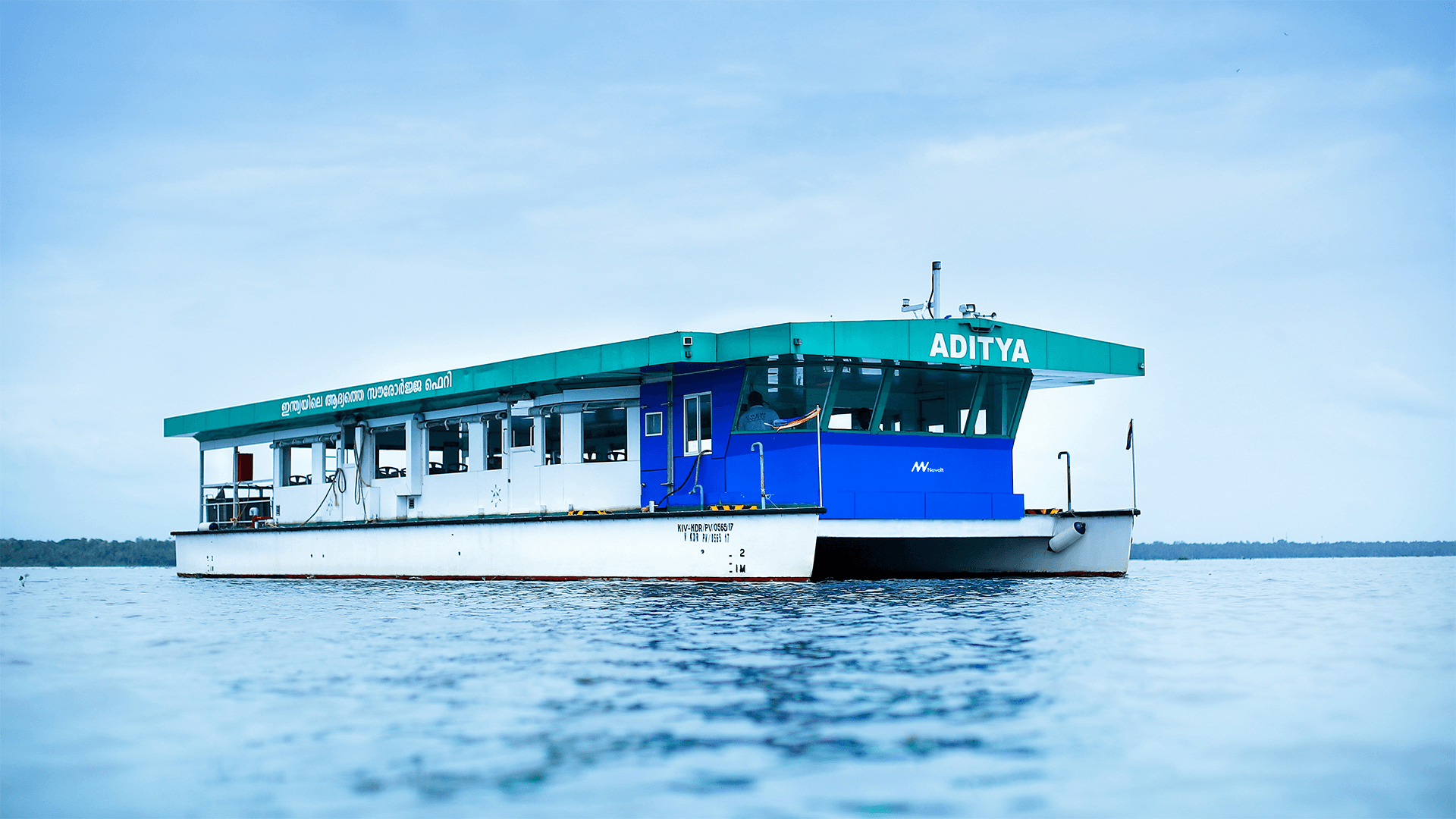
ADITYA — India’s First Solar Ferry
ADITYA proved that solar-electric marine transport can be safe, commercially viable, and operationally dependable when engineering standards are never compromised.
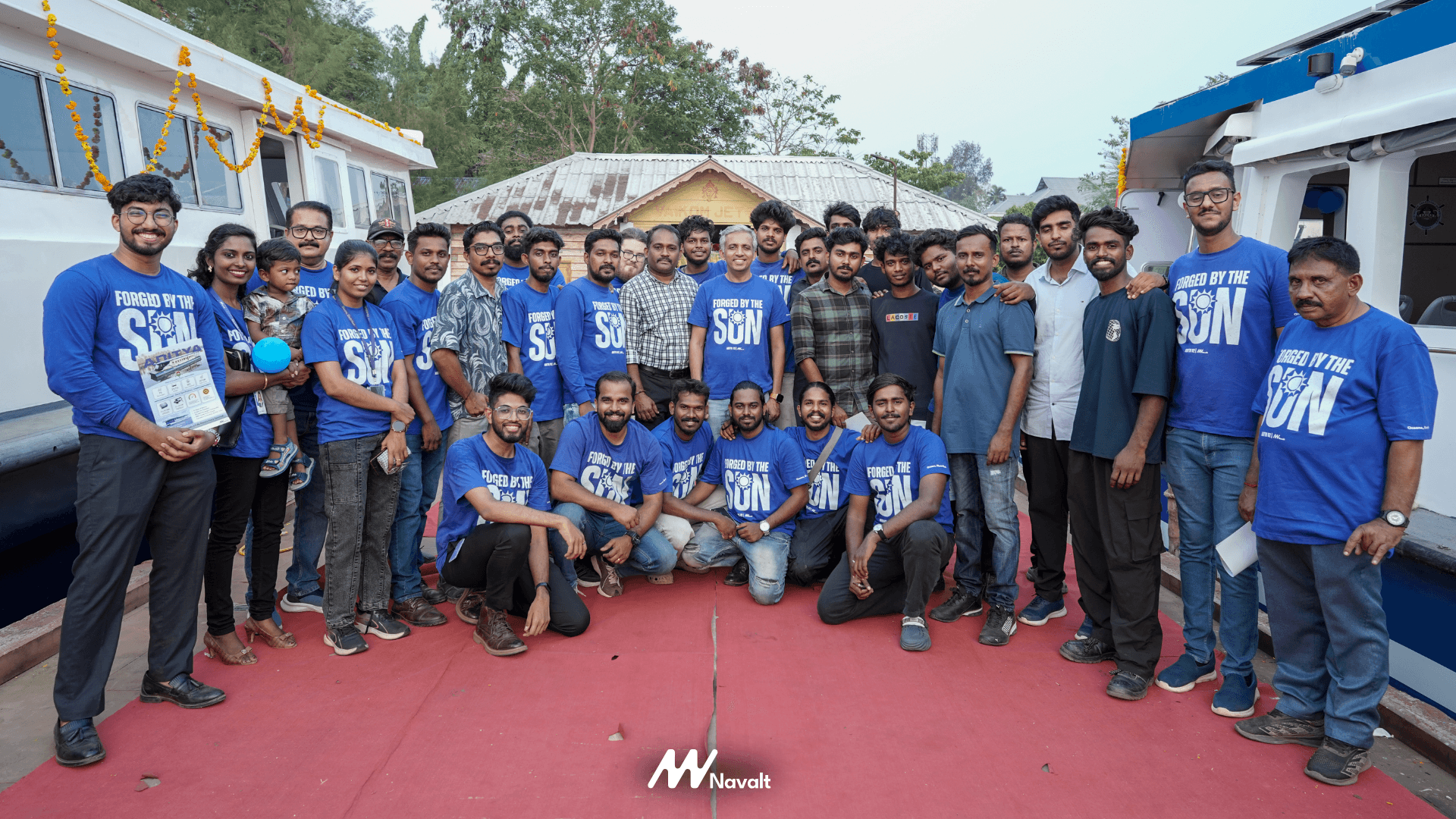
Its success has inspired replication interest across India, reinforcing the responsibility to maintain rigorous safety, battery integration, and marine-class engineering practices across every future vessel.