Solar-Electric Ferry

ADITYA

ADITYA

ADITYA

India’s First Solar-Electric Ferry

India’s First Solar-Electric Ferry

India’s First Solar-Electric Ferry

India’s First Solar-Electric Ferry

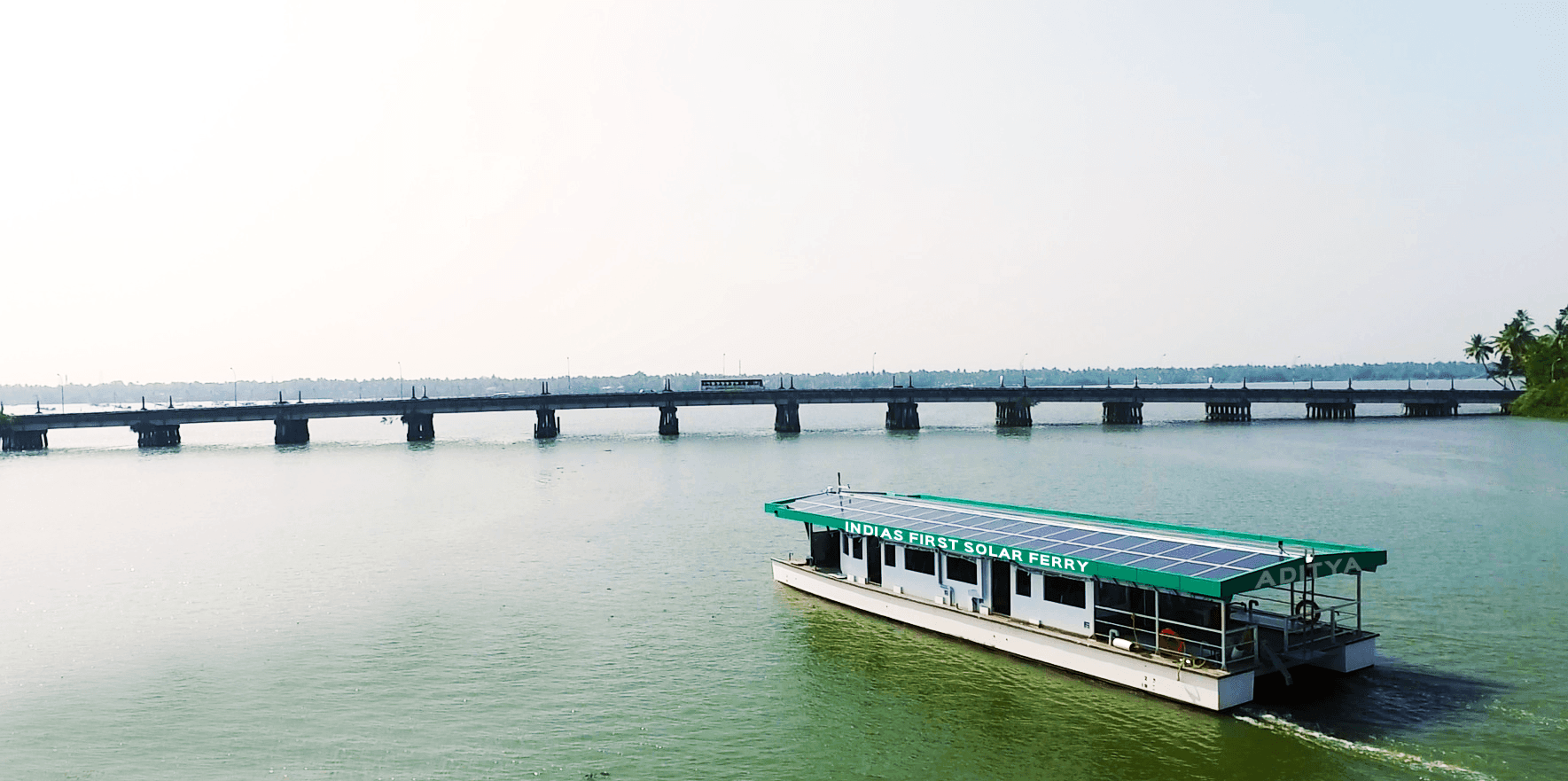
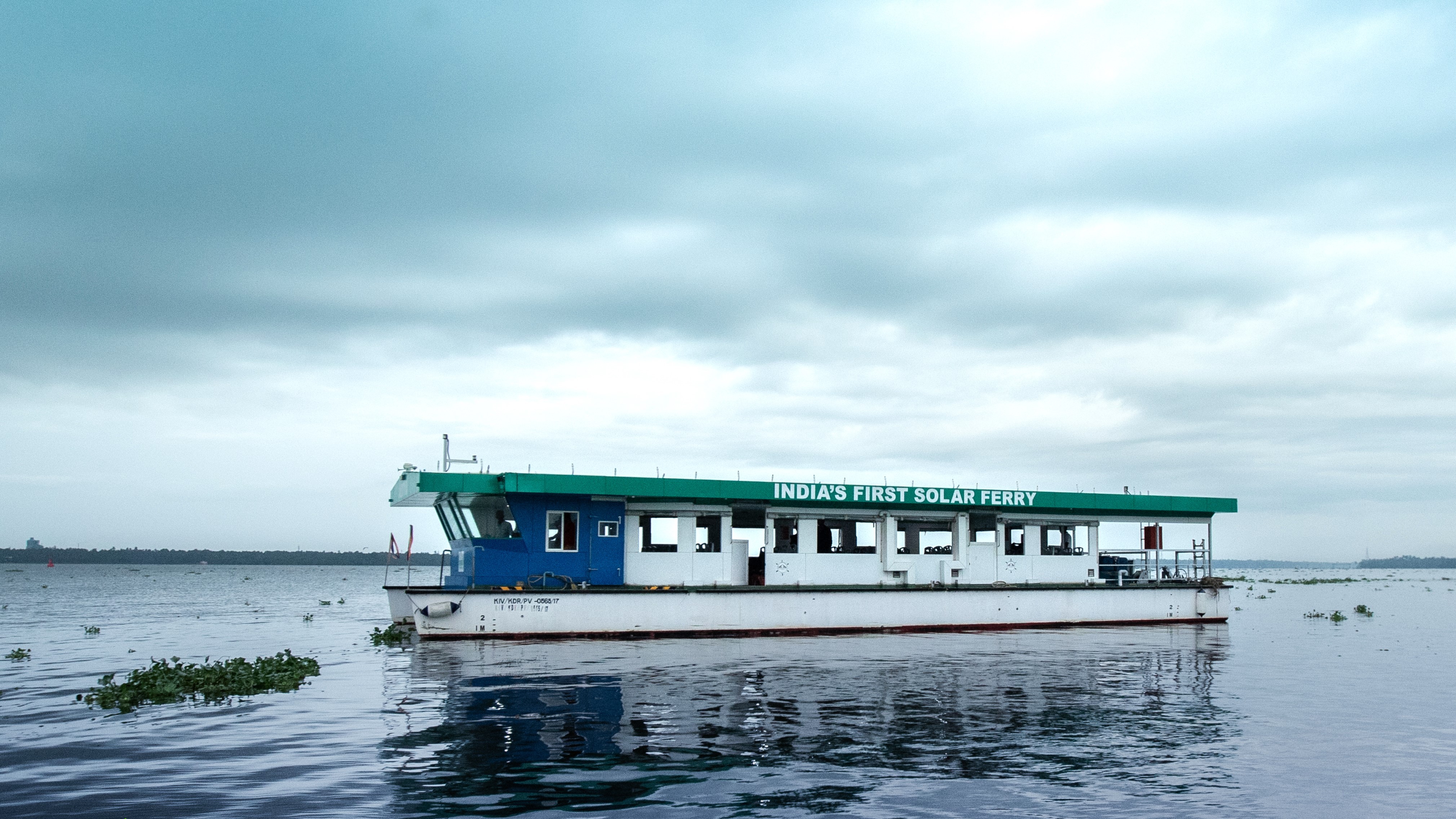
Aditya changed what a ferry could be. Built by Navalt for the Kerala State Water Transport Department, it combined solar energy, electric propulsion and efficient naval design to deliver passenger transport without relying on conventional fuel. When it reached breakeven in 2019 and was named the World’s Best Electric Ferry in 2020, the idea had become reality. Aditya was not simply Navalt’s first success it was the vessel that gave the company its direction.

Aditya solar-electric ferry by Navalt

SPECIFICATIONS

Built for Efficient Water Transportation

Built for Efficient Water Transportation

75

Passengers + 3 crew

7.5

Knots Maximum Speed

120 km

Range

60 kWh

Battery Capacity

20 kWp

Solar Power

20 × 7 m

Length × Width

2 × 20 kW

Electric Motors

GRP

Hull Construction
Rethinking the Way a Ferry Moves

Rethinking the Way a Ferry Moves

Rethinking the Way a Ferry Moves

By 2013, the Kerala State Water Transport Department operated around 100 diesel-powered ferries, carrying 75 to 100 passengers across the state's waterways. The real challenge was not simply pollution, it was economics. On routes such as Vaikom Thayvanakkadavu, the cost of diesel, maintenance, crew and daily operations could exceed the revenue generated by the ferry, making the service financially unsustainable. SWTD needed a better way to power its boats.


In 2014, the Navalt team began designing a solar-electric ferry from the ground up. Lightweight GRP and aluminium construction significantly reduced the vessel's weight, while computational fluid dynamics helped reduce drag to around one-third of that of a typical ferry. Combined with electric propulsion and marine grade lithium-based battery storage, these choices created a vessel designed to use far less energy while meeting stringent safety requirements


On 12 January 2017, Aditya was inaugurated as India's pioneering solar ferry for the Kerala State Water Transport Department. Designed to carry 75 passengers, it became the world's first solar ferry to meet more than 61% of its energy needs through solar power. On a sunny day, it could cruise for more than six hours without an external charge. Aditya wasn't built simply to demonstrate solar technology, it was built to make public water transport cleaner, quieter, more efficient and commercially viable. give me a better heading

By 2013, the Kerala State Water Transport Department operated around 100 diesel-powered ferries, carrying 75 to 100 passengers across the state's waterways. The real challenge was not simply pollution, it was economics. On routes such as Vaikom Thayvanakkadavu, the cost of diesel, maintenance, crew and daily operations could exceed the revenue generated by the ferry, making the service financially unsustainable. SWTD needed a better way to power its boats.


In 2014, the Navalt team began designing a solar-electric ferry from the ground up. Lightweight GRP and aluminium construction significantly reduced the vessel's weight, while computational fluid dynamics helped reduce drag to around one-third of that of a typical ferry. Combined with electric propulsion and marine grade lithium-based battery storage, these choices created a vessel designed to use far less energy while meeting stringent safety requirements


On 12 January 2017, Aditya was inaugurated as India's pioneering solar ferry for the Kerala State Water Transport Department. Designed to carry 75 passengers, it became the world's first solar ferry to meet more than 61% of its energy needs through solar power. On a sunny day, it could cruise for more than six hours without an external charge. Aditya wasn't built simply to demonstrate solar technology, it was built to make public water transport cleaner, quieter, more efficient and commercially viable. give me a better heading


By 2013, the Kerala State Water Transport Department operated around 100 diesel-powered ferries, carrying 75 to 100 passengers across the state's waterways. The real challenge was not simply pollution, it was economics. On routes such as Vaikom Thayvanakkadavu, the cost of diesel, maintenance, crew and daily operations could exceed the revenue generated by the ferry, making the service financially unsustainable. SWTD needed a better way to power its boats.


In 2014, the Navalt team began designing a solar-electric ferry from the ground up. Lightweight GRP and aluminium construction significantly reduced the vessel's weight, while computational fluid dynamics helped reduce drag to around one-third of that of a typical ferry. Combined with electric propulsion and marine grade lithium-based battery storage, these choices created a vessel designed to use far less energy while meeting stringent safety requirements


On 12 January 2017, Aditya was inaugurated as India's pioneering solar ferry for the Kerala State Water Transport Department. Designed to carry 75 passengers, it became the world's first solar ferry to meet more than 61% of its energy needs through solar power. On a sunny day, it could cruise for more than six hours without an external charge. Aditya wasn't built simply to demonstrate solar technology, it was built to make public water transport cleaner, quieter, more efficient and commercially viable. give me a better heading


Background image

ENGINEERING

Engineered for Sustainable Mobility

Engineered for Sustainable Mobility

Engineered for Sustainable Mobility

01

Solar-Electric Propulsion

Clean electric propulsion supported by solar energy for efficient ferry operations.

02

75-Passenger Capacity

Designed for reliable passenger transportation across inland waterways.

03

20 kWp Solar Power

Solar generation supports efficient daily marine operations.

04

60 kWh Battery

Marine-grade lithium battery storage for dependable electric performance.

05

Lightweight Construction

GRP hull and aluminium superstructure help reduce vessel weight.

06

IRS Classed

Built under Indian Register of Shipping classification requirements.

SOLAR TECHNOLOGY

Powered by the Sun

Powered by the Sun

Powered by the Sun

Aditya was designed to meet more than 61% of its energy needs through solar power. On a sunny day, the ferry can cruise for more than six hours without requiring an external charge.

61%+

61%+

Energy needs fulfilled through solar power


HISTORY

The Story Behind Aditya

The Story Behind Aditya

The Story Behind Aditya

2014

Design & Development

Navalt began the design and construction of the solar-electric ferry.

Aditya Inaugurated

Aditya was inaugurated on January 12, 2017 for the Kerala State Water Transport Department.

2017
2020

Gustave Trouvé Award

Aditya received the Gustave Trouvé Award for the World’s Best Electric Ferry.

ECONOMICS

Lower Operating Costs. Greater Long-Term Value.

Lower Operating Costs. Greater Long-Term Value.

Lower Operating Costs. Greater Long-Term Value.

SOLAR FERRY

₹2.744 Cr

₹2.744 Cr

₹2.744 Cr

20-year total cost of ownership

DIESEL FERRY

₹9.147 Cr

₹9.147 Cr

₹9.147 Cr

20-year total cost of ownership

BATTERY TECHNOLOGY

Marine-Grade Battery Options

Marine-Grade Battery Options

Marine-Grade Battery Options

MANTA

DNV-approved LFP battery packs designed for professional marine operations, with protection rated up to IP67.

STING

High-performance Lithium Titanate Oxide (LTO) battery technology designed for electric and hybrid marine vessels, with ultra-fast charging, long cycle life and ClassNK certification.


APPLICATIONS

Built for Everyday Water Transport

Aditya is engineered for clean, quiet and reliable passenger transportation across inland waterways, making it ideal for high-frequency public ferry operations.

Public Water Transport

Clean, reliable passenger mobility for daily public ferry routes.

Passenger Ferry Services

Efficient solar-electric transportation for high-frequency passenger operations.

Inland Waterways

Designed for dependable operation across backwaters, canals, lakes and inland routes.

Sustainable Mobility

Zero-fuel electric propulsion that helps reduce operating costs and environmental impact.

FAQ

Frequently Asked Questions

How many passengers can Aditya carry?

What is the maximum speed of Aditya?

What is the range of Aditya?

How much solar power does Aditya use?

What is the battery capacity?

How long can Aditya operate on a sunny day?

What classification does Aditya have?

NAVALT SOLAR & ELECTRIC BOATS

The Future of Water Transportation Is Electric

Explore solar-electric ferry solutions designed for cleaner, quieter and more efficient passenger mobility.

APPLICATIONS

Built for Everyday Water Transport

Built for Everyday Water Transport

Aditya is engineered for clean, quiet and reliable passenger transportation across inland waterways, making it ideal for high-frequency public ferry operations.

Public Water Transport

Clean, reliable passenger mobility for daily public ferry routes.

Passenger Ferry Services

Efficient solar-electric transportation for high-frequency passenger operations.

Inland Waterways

Designed for dependable operation across backwaters, canals, lakes and inland routes.

Sustainable Mobility

Zero-fuel electric propulsion that helps reduce operating costs and environmental impact.

FAQ

Frequently Asked Questions

How many passengers can Aditya carry?

What is the maximum speed of Aditya?

What is the range of Aditya?

How much solar power does Aditya use?

What is the battery capacity?

How long can Aditya operate on a sunny day?

What classification does Aditya have?

NAVALT SOLAR & ELECTRIC BOATS

The Future of Water Transportation Is Electric

Explore solar-electric ferry solutions designed for cleaner, quieter and more efficient passenger mobility.

FAQ

Frequently Asked Questions

How many passengers can Aditya carry?

What is the maximum speed of Aditya?

What is the range of Aditya?

How much solar power does Aditya use?

What is the battery capacity?

How long can Aditya operate on a sunny day?

What classification does Aditya have?

NAVALT SOLAR & ELECTRIC BOATS

The Future of Water Transportation Is Electric

Explore solar-electric ferry solutions designed for cleaner, quieter and more efficient passenger mobility.